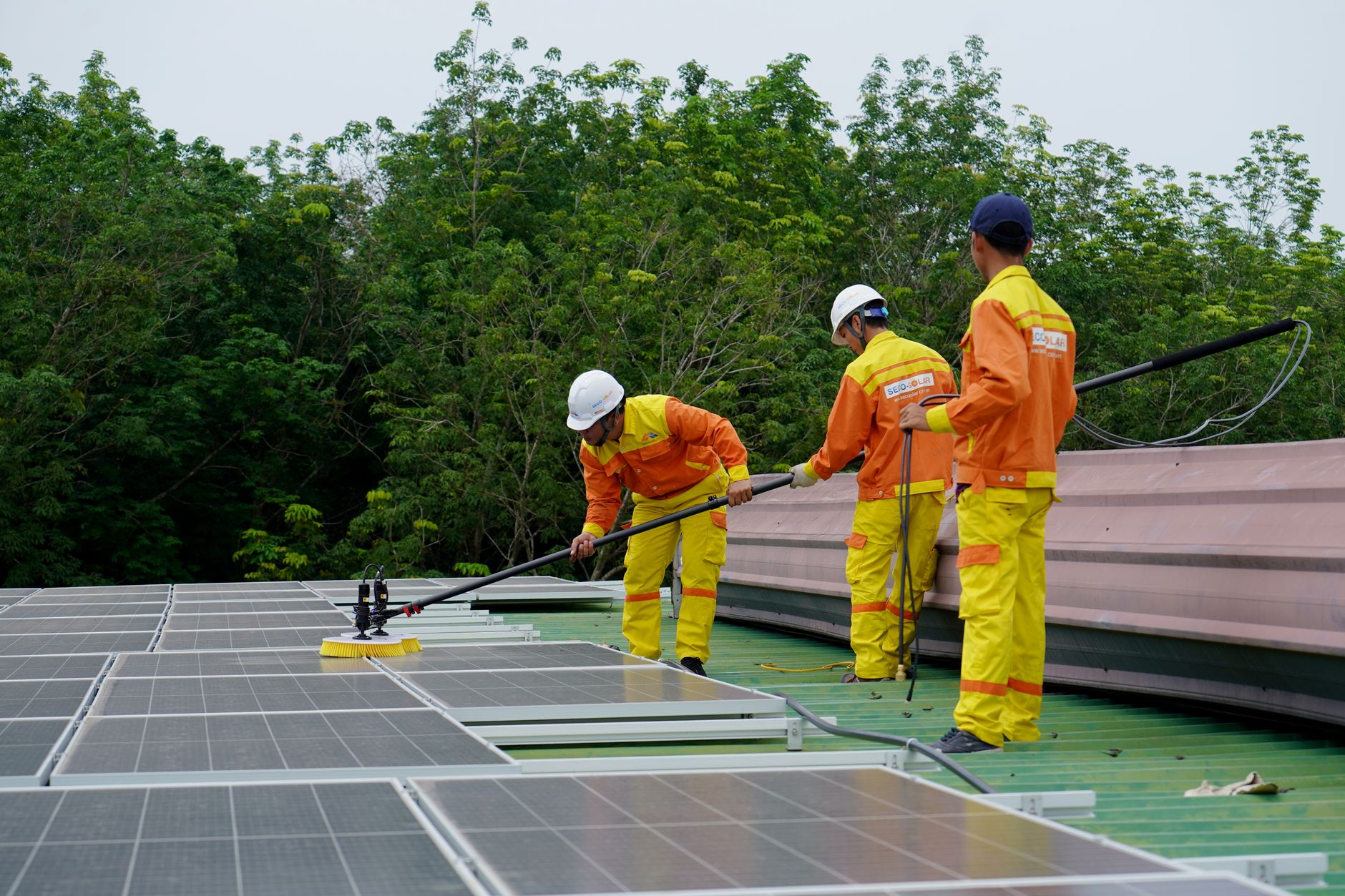
The World Bank has announced its backing for India's ambitious solar rooftop program, marking a significant step forward in the country's renewable energy journey. This support comes at a crucial time when India is working to meet its climate commitments while simultaneously addressing energy security and job creation needs.
Understanding Solar Rooftop Programs
Solar rooftop programs involve installing photovoltaic panels on residential, commercial, and industrial building rooftops to generate electricity. India has set aggressive targets to achieve 40 gigawatts of rooftop solar capacity, forming part of its broader commitment to reach 500 GW of renewable energy capacity by 2030. The World Bank's involvement provides not just financial backing but also technical expertise and institutional support to accelerate program implementation.
Job Creation Potential in the Solar Sector
The expansion of solar rooftop installations creates multiple employment opportunities across various skill levels. Installation technicians, solar panel manufacturers, maintenance workers, sales professionals, and project managers are all in growing demand. According to industry estimates, the renewable energy sector could generate millions of jobs in India over the next decade.
Key job roles emerging from this sector include:
- Solar panel installation specialists
- Electrical engineers for system design
- Quality control inspectors
- Customer relationship managers for solar companies
- Supply chain and logistics coordinators
- Data analysts for performance monitoring
- Financial advisors specializing in renewable energy investments
Private Capital and Investment Opportunities
One of the program's most significant aspects is its potential to unlock private capital. Traditionally, clean energy projects required substantial government subsidies, but the World Bank's structured support helps de-risk investments for private players. This creates opportunities for:
- Banks and financial institutions to develop specialized solar financing products
- Private equity firms to invest in solar companies
- Insurance companies to offer coverage for solar installations
- Technology companies to develop monitoring and management systems
The involvement of private capital reduces the burden on public finances while accelerating program rollout through market-driven efficiency.
Banking Sector Opportunities
For professionals in the banking and financial services sector, the solar rooftop program opens new avenues. Banks are developing green loan products specifically for residential and commercial solar installations. This requires specialized knowledge of renewable energy economics, risk assessment, and project evaluation.
Financial institutions are creating dedicated teams to handle solar financing, requiring professionals who understand both traditional banking and renewable energy sectors. Credit appraisal officers, relationship managers, and product development specialists with knowledge of clean energy are increasingly valuable.
Skills Required for Solar Industry Jobs
As the sector grows, certain skills become particularly valuable. Technical knowledge of photovoltaic systems, understanding of government policies and subsidies, project management capabilities, and financial modeling expertise are all in demand. Additionally, soft skills like customer education and stakeholder management are crucial since many consumers are still learning about solar technology.
Professionals looking to enter this field can benefit from certifications in renewable energy, training programs offered by industry bodies, or specialized courses in solar technology and clean energy finance.
Regional Development and Decentralized Employment
Unlike traditional power projects concentrated in specific locations, solar rooftop programs create distributed employment opportunities across urban and semi-urban areas. This decentralization helps spread economic benefits more evenly and reduces the need for migration to large cities for employment.
States with high solar potential and supportive policies are seeing rapid growth in local solar businesses, creating entrepreneurship opportunities alongside salaried positions. Small and medium enterprises focused on installation and maintenance are mushrooming, particularly in states like Gujarat, Rajasthan, Maharashtra, and Tamil Nadu.
Long-term Career Prospects
The solar rooftop sector offers long-term career stability given India's firm commitment to renewable energy. Unlike conventional sectors that may face regulatory headwinds due to environmental concerns, clean energy enjoys policy support across political spectrums. This makes it an attractive field for young professionals planning their careers.
As technology evolves, opportunities will expand in areas like battery storage integration, smart grid development, and energy management systems, ensuring continuous growth in employment prospects.
The World Bank's support for India's solar rooftop program represents more than just environmental commitment—it's a comprehensive approach to sustainable economic development that creates quality employment while addressing climate challenges and energy needs simultaneously.