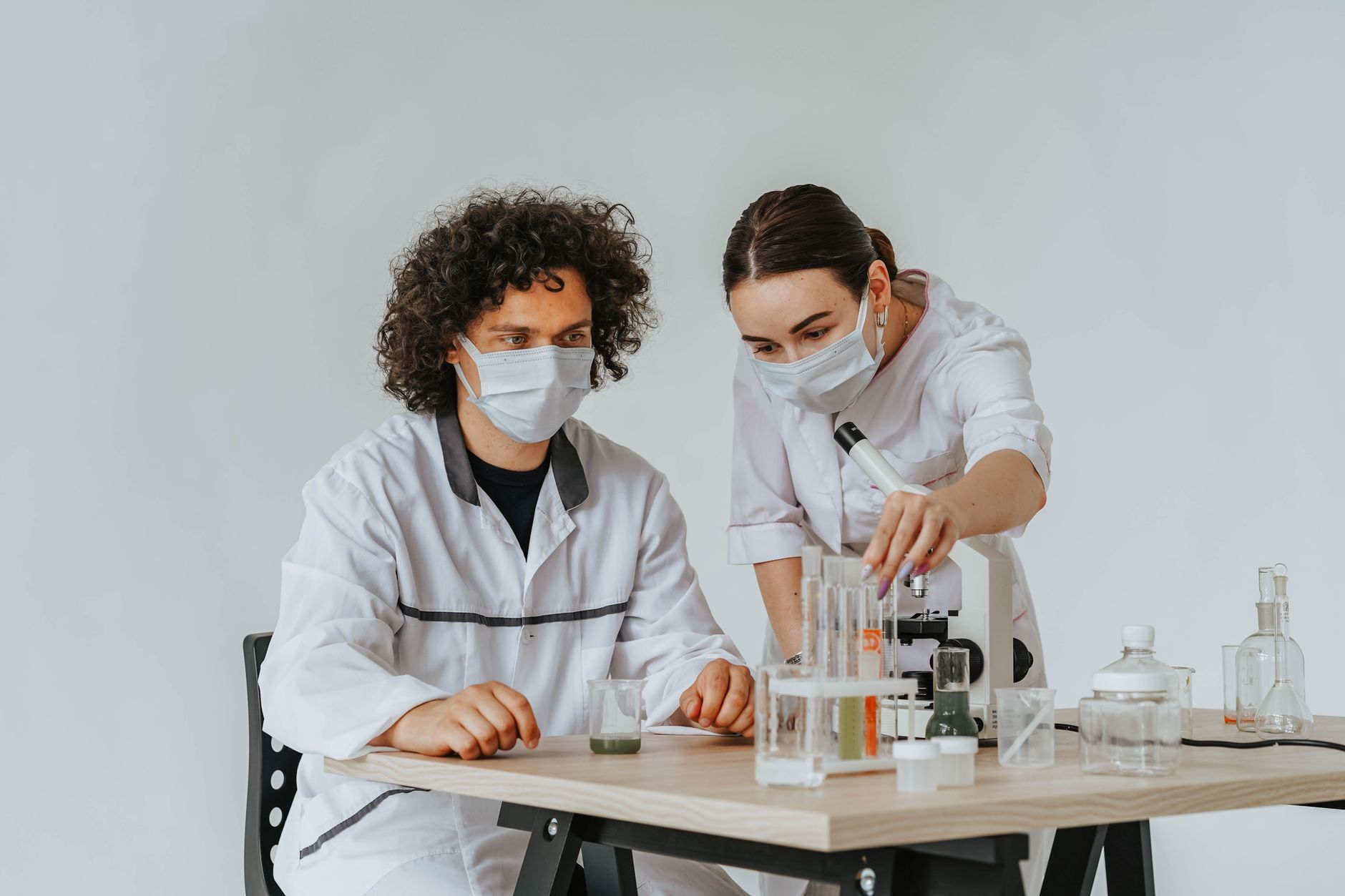
Walk-in interviews have become an increasingly popular recruitment method for pharmaceutical and biotechnology companies seeking to fill entry-level positions quickly. Unlike traditional scheduled interviews, these events allow candidates to appear at a specified venue during designated hours without prior appointments, making them particularly accessible for fresh graduates eager to launch their careers.
Understanding the Walk-In Interview Format
A walk-in interview differs significantly from conventional recruitment processes. Companies announce a specific date, time, and venue where candidates can directly meet hiring managers and HR personnel. This format eliminates the lengthy application screening phase, offering immediate face-to-face interaction with decision-makers.
For microbiology freshers, walk-in interviews at pharmaceutical companies represent golden opportunities. These organizations often have multiple openings across quality control, research and development, production, and regulatory affairs departments. The immediate nature of walk-ins means positions need to be filled urgently, potentially accelerating your career start.
Preparing Your Documentation
Success at walk-in interviews begins with meticulous document preparation. Arrive with multiple copies of your resume, preferably 8-10 printed versions. Carry original certificates along with photocopies, including your degree certificates, mark sheets, internship completion letters, and any relevant certifications or training documents.
Create a professional portfolio folder containing your academic transcripts arranged chronologically. Include any project reports, research papers, or presentations you completed during your studies. For microbiology candidates, documentation of laboratory skills, techniques mastered, and equipment familiarity can set you apart.
Don't forget identity proof documents such as Aadhaar card, PAN card, and passport-sized photographs. Some companies may request these immediately if they decide to make an offer on the spot.
Technical Knowledge Refresh
Microbiology freshers should thoroughly revise core subjects before attending walk-in interviews. Focus on sterilization techniques, microbial culture methods, quality control procedures, Good Manufacturing Practices (GMP), and Good Laboratory Practices (GLP). Pharmaceutical companies particularly value candidates familiar with regulatory guidelines and contamination control.
Review common pharmaceutical microbiology topics including sterility testing, bioburden analysis, endotoxin testing, and environmental monitoring. Understanding pharmaceutical manufacturing processes and the role of microbiology departments within these operations demonstrates practical awareness beyond academic knowledge.
Arriving Early and Making Impressions
Punctuality matters significantly at walk-in interviews. Plan to arrive at least 30 minutes before the stated start time. Early arrival allows you to complete registration formalities, observe the environment, and compose yourself before interactions begin.
First impressions extend beyond your resume. Dress in formal business attire—conservative and professional. For men, this typically means formal trousers, a shirt, and dress shoes. Women should opt for formal suits, conservative salwar suits, or business-appropriate sarees. Avoid excessive accessories, strong fragrances, or casual footwear.
The Interview Conversation
Walk-in interviews may involve multiple stages compressed into a single day. You might face an initial screening by HR, followed by technical interviews with department heads, and potentially final discussions with senior management.
During technical rounds, be prepared to discuss your academic projects in detail. Explain your role, methodology, challenges faced, and outcomes achieved. Interviewers appreciate candidates who can connect theoretical knowledge to practical applications. If you lack work experience, demonstrate eagerness to learn and adaptability.
Be honest about your skill levels. If asked about techniques you haven't performed, acknowledge this but express your foundational understanding and willingness to receive training. Employers expect freshers to require onboarding; they value honesty and learning attitude over false claims.
Asking Relevant Questions
Prepare intelligent questions about the role, growth opportunities, training programs, and company culture. This demonstrates genuine interest and helps you evaluate whether the organization aligns with your career goals. Questions about career progression, mentorship availability, and typical responsibilities show professional maturity.
Following Up
If you don't receive immediate feedback, inquire politely about the timeline for decisions. Collect contact information from HR representatives for appropriate follow-up. Even if unsuccessful, request feedback to improve future interview performance.
Walk-in interviews democratize access to employment opportunities, particularly benefiting freshers who may lack extensive networks. With proper preparation, professional presentation, and confident communication, these events can serve as launchpads for rewarding careers in pharmaceutical microbiology and related fields.
This article provides general information about walk-in interviews and career preparation. Specific requirements, processes, and opportunities vary by company and should be verified through official recruitment announcements and company communications.