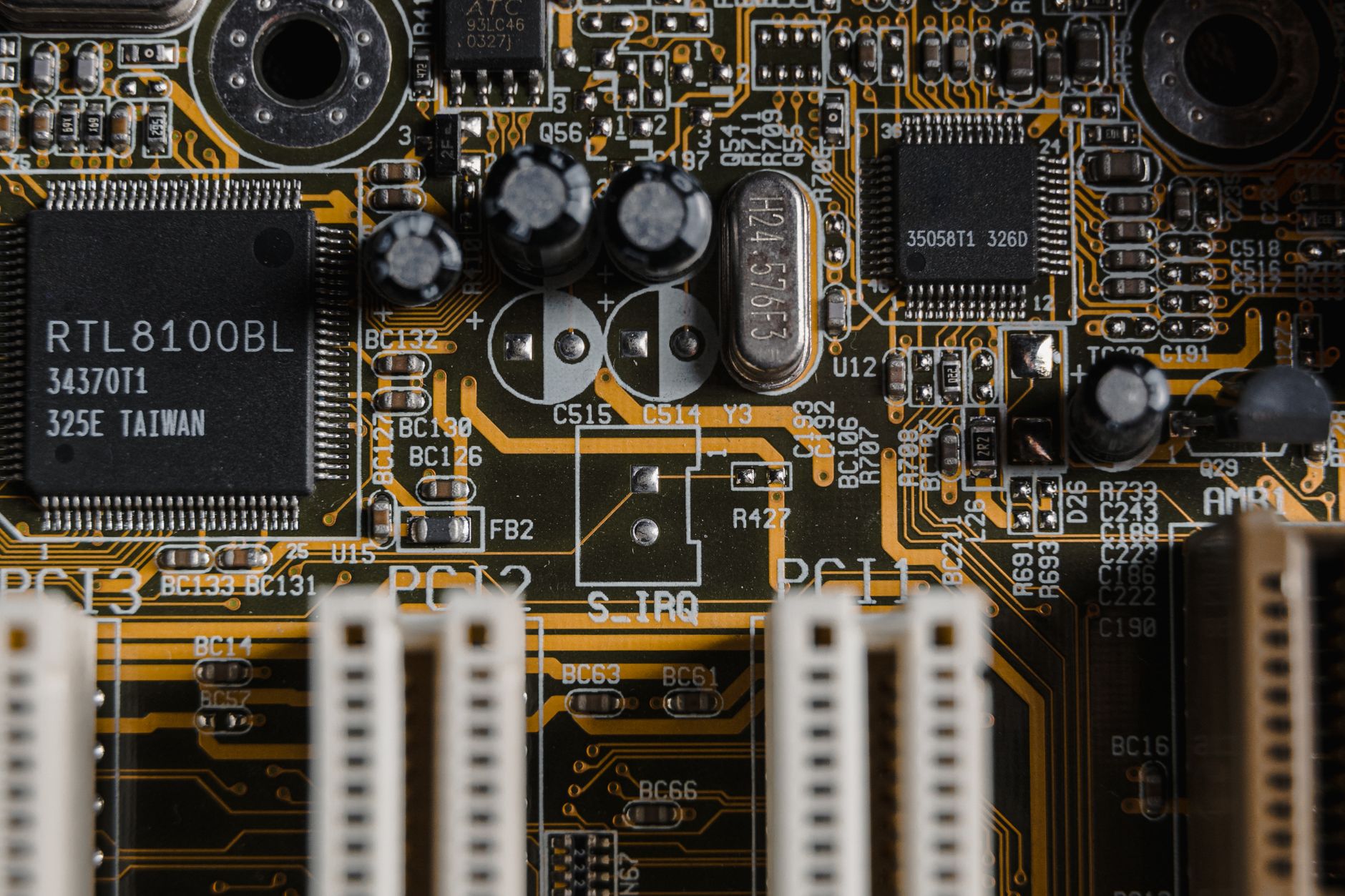
Texas Instruments (TI) India has announced an expansion of its semiconductor mentoring programs specifically designed for women engineers, marking a significant step toward bridging the gender gap in India's burgeoning chip design and manufacturing ecosystem. This initiative comes at a crucial time when India is positioning itself as a global semiconductor hub and faces an acute shortage of skilled professionals in the sector.
The Semiconductor Talent Challenge
India's semiconductor industry is experiencing unprecedented growth, driven by government initiatives like the India Semiconductor Mission and increased global interest in diversifying chip manufacturing supply chains. However, the sector faces a critical shortage of qualified engineers, with estimates suggesting a need for over 85,000 additional semiconductor professionals by 2027. Women remain significantly underrepresented in this field, comprising less than 30 percent of the engineering workforce in most semiconductor companies.
The expanded TI India program aims to address both challenges simultaneously by creating pathways for women engineers to enter and thrive in semiconductor roles through structured mentorship, hands-on training, and industry exposure.
Key Features of the Mentorship Program
The enhanced initiative focuses on multiple aspects of professional development for women engineers interested in semiconductor technology:
- Pairing early-career women engineers with experienced mentors from TI's technical and leadership teams
- Providing specialized training in semiconductor design, testing, and manufacturing processes
- Offering internship opportunities that lead to potential full-time positions
- Creating networking platforms for participants to connect with peers and industry professionals
- Facilitating workshops on emerging technologies including artificial intelligence integration in chip design
The program targets women engineers from various educational backgrounds, including electronics, electrical engineering, computer science, and related disciplines. Participants gain exposure to real-world semiconductor projects and learn about the entire product development lifecycle.
Why This Matters for India's Tech Future
India's ambition to become a semiconductor manufacturing powerhouse requires not just infrastructure investment but also a robust talent pipeline. Women represent an underutilized talent pool in STEM fields, and their increased participation could significantly accelerate the sector's growth trajectory.
Research consistently shows that diverse teams drive better innovation outcomes and problem-solving capabilities. In the highly competitive semiconductor industry, companies that successfully tap into diverse talent pools gain a competitive advantage in creativity and technical excellence.
For women engineers, semiconductor careers offer excellent growth prospects, competitive compensation, and opportunities to work on cutting-edge technologies that power everything from smartphones to automotive systems and artificial intelligence applications.
The Broader Impact on Corporate Internship Programs
TI India's initiative reflects a broader trend among technology companies to structure internship programs as strategic talent development tools rather than mere short-term hiring exercises. The mentorship component distinguishes this approach from traditional internships by providing sustained guidance beyond technical skill development.
This model addresses common challenges women engineers face in male-dominated fields, including lack of role models, limited networking opportunities, and unconscious biases in hiring and promotion processes. By intentionally creating supportive structures, such programs can improve retention rates and career advancement for women in technical roles.
Looking Ahead
As India continues building its semiconductor ecosystem, similar initiatives from other companies in the sector are likely to emerge. The success of such programs will be measured not just in immediate hiring numbers but in long-term career progression of participants and the gradual normalization of gender diversity in semiconductor workplaces.
For aspiring women engineers, programs like TI India's expansion represent valuable entry points into a high-growth industry. Beyond the immediate career benefits, participants in these mentorship initiatives often become advocates and mentors themselves, creating a multiplier effect that gradually transforms the industry's demographic composition.
The semiconductor industry's future in India depends heavily on cultivating diverse, skilled talent pools. Targeted mentorship programs for women engineers represent a practical, impactful approach to addressing both the talent shortage and diversity challenges facing the sector.
For women engineers considering semiconductor careers, such corporate mentorship programs offer structured pathways to enter and advance in an industry that will be central to India's technology leadership in coming decades. The combination of technical training, industry exposure, and professional guidance provided through these initiatives can significantly accelerate career development in this specialized field.