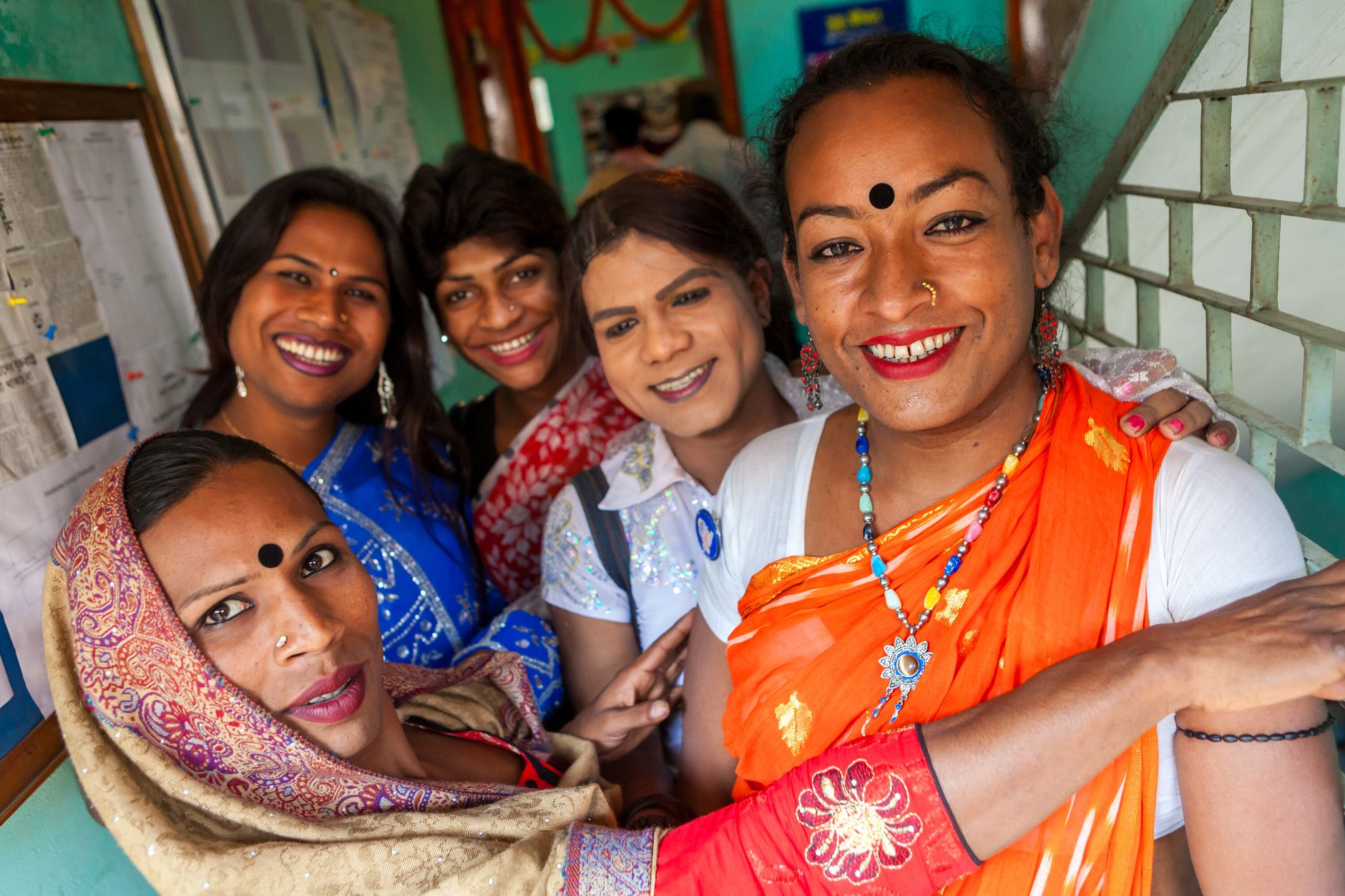
Nestlé India has launched an innovative initiative called 'Kaabil', a culinary internship programme specifically designed to provide career opportunities for members of the transgender community. This move represents a significant commitment to diversity, equity, and inclusion in the corporate sector, addressing the systemic barriers that transgender individuals often face in accessing mainstream employment.
Understanding the Need for Inclusive Employment Programmes
The transgender community in India has historically faced significant discrimination and exclusion from formal employment opportunities. Despite legal recognition through the Transgender Persons (Protection of Rights) Act, 2019, many transgender individuals still struggle to find dignified work that matches their skills and aspirations. Traditional barriers include social stigma, lack of access to education and skill development, and unconscious bias during hiring processes.
Studies have shown that a large percentage of transgender individuals are forced into begging, sex work, or other informal sectors due to limited employment options. Corporate initiatives like Kaabil aim to break this cycle by providing structured training, mentorship, and a pathway to sustainable careers in the hospitality and food service industries.
What the Kaabil Programme Offers
The Kaabil culinary internship programme is designed to equip participants with professional cooking skills, food safety knowledge, and hospitality industry standards. Interns receive hands-on training in commercial kitchen environments, learning everything from basic culinary techniques to advanced food preparation methods.
Beyond technical skills, the programme likely includes soft skills training such as communication, teamwork, customer service, and workplace etiquette. This holistic approach ensures that participants are not just technically competent but also confident and prepared for professional work environments.
The programme's structure typically involves a combination of classroom instruction and practical experience, with mentorship from experienced culinary professionals. This experiential learning model helps build both competence and confidence among participants.
Impact on the Transgender Community
Initiatives like Kaabil have far-reaching effects beyond individual participants. When major corporations actively recruit and train transgender individuals, they send a powerful message to the broader business community about the value of diversity and the capabilities of marginalized groups.
For programme participants, the benefits extend beyond employment. Access to formal training and certification can boost self-esteem, provide financial independence, and offer a sense of dignity and social acceptance. The culinary field, in particular, offers creative expression and growth opportunities, with potential career paths ranging from chef positions to restaurant management.
Furthermore, successful participants often become role models and advocates within their communities, inspiring others to pursue education and formal employment rather than accepting marginalized livelihoods.
The Business Case for Diversity and Inclusion
Companies are increasingly recognizing that diversity initiatives are not just socially responsible but also good for business. Diverse workforces bring varied perspectives that can drive innovation, improve problem-solving, and better reflect customer demographics.
For Nestlé India, programmes like Kaabil enhance employer brand reputation, making the company more attractive to socially conscious consumers and potential employees. They also help companies tap into previously overlooked talent pools, addressing skill shortages in industries like hospitality and food service.
Research has consistently shown that inclusive workplaces experience higher employee satisfaction, lower turnover rates, and improved financial performance compared to less diverse competitors.
Challenges and the Path Forward
While initiatives like Kaabil are commendable, they represent just the beginning of creating truly inclusive workplaces. Sustainable change requires addressing workplace culture, ensuring that transgender employees feel safe and supported beyond the internship phase, and providing clear pathways for career advancement.
Companies must also work on sensitizing existing employees to create an accepting environment. This includes training on pronoun usage, understanding transgender experiences, and challenging unconscious biases that might affect day-to-day interactions.
Long-term success depends on moving from pilot programmes to systematic integration of diversity practices across all levels of hiring and promotion. The ultimate goal should be a workplace where special programmes are no longer necessary because inclusion is the default.
Broader Implications for Indian Corporations
Nestlé India's Kaabil programme may inspire other corporations to launch similar initiatives, creating a ripple effect across industries. As more companies demonstrate that transgender inclusion is both achievable and beneficial, the business case for diversity strengthens, potentially transforming employment landscapes for marginalized communities.
The success of such programmes will be measured not just by the number of interns trained but by long-term employment outcomes, career progression, and the cultural shift they create within organizations and society at large.