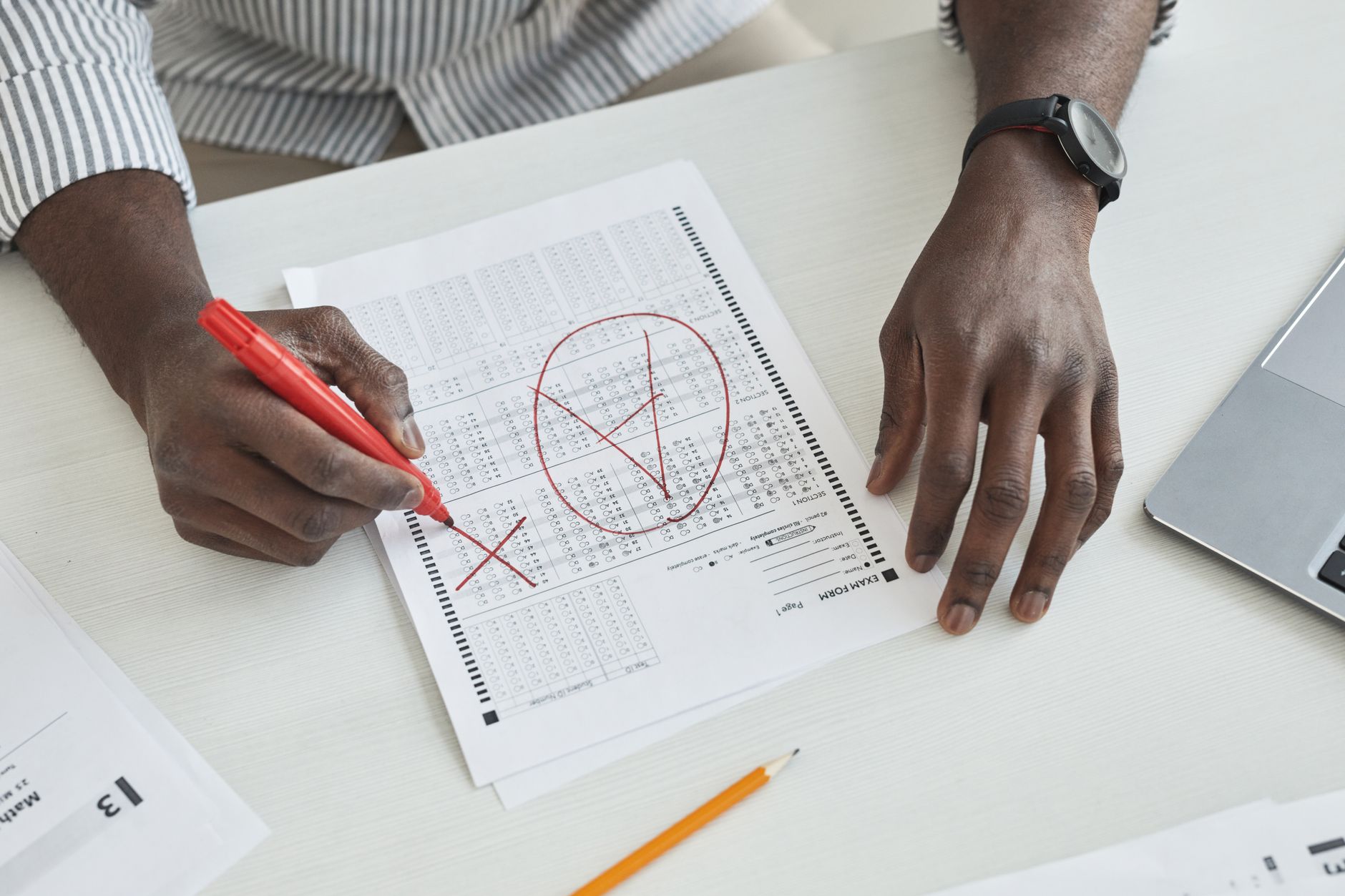
The tragic loss of a young medical aspirant has once again brought the mental health crisis among competitive exam students into sharp focus. This heartbreaking incident, allegedly linked to distress over NEET re-exam results, reflects a systemic issue affecting thousands of students across India who face enormous pressure while pursuing their dreams of medical education.
The Pressure Cooker of Medical Entrance Exams
The National Eligibility cum Entrance Test (NEET) serves as the single gateway for admission to undergraduate medical and dental courses across India. With approximately 18-20 lakh students competing for roughly 90,000 MBBS seats annually, the competition intensity is staggering. This creates a high-stakes environment where a difference of even a single mark can determine a student's future.
For many students, NEET represents years of preparation, significant financial investment from families, and the weight of parental expectations. When results fall short of expectations or when irregularities necessitate re-examinations, the psychological burden can become overwhelming.
Understanding the Re-Examination Context
Re-examinations in competitive tests like NEET occur when exam authorities identify irregularities, paper leaks, or technical issues affecting test integrity. While intended to ensure fairness, re-exams create additional stress for students who must:
- Prepare and appear for the examination again after already investing significant time and energy
- Deal with uncertainty about their future while waiting for resolution
- Manage the anxiety of potentially performing differently in the second attempt
- Face questions and scrutiny from peers and family members
The psychological impact of appearing for a high-stakes examination twice cannot be understated, particularly for students who may have performed well initially only to face the uncertainty of re-evaluation.
The Mental Health Crisis Among Students
India's competitive examination system, while designed to ensure merit-based selection, has inadvertently created a mental health emergency among young people. Recent studies indicate alarming trends:
- Rising rates of depression and anxiety among students aged 16-24
- Increased reports of exam-related stress and burnout
- Growing number of students seeking psychological counseling during preparation phases
- Social isolation as students sacrifice social connections for study time
The intense focus on a single examination as the determinant of future success creates a binary outcome mentality where students perceive results as defining their entire worth and potential.
Systemic Factors Contributing to Student Distress
Several interconnected factors amplify the pressure on medical aspirants. Coaching institutes often create competitive environments that compare students constantly, while social media amplifies success stories without acknowledging struggles. Family expectations, particularly in households making significant financial sacrifices for coaching and study materials, add another layer of pressure.
The limited number of government medical seats compared to aspirants means many students from middle-class backgrounds cannot afford private medical colleges, making NEET performance a matter of economic accessibility as much as career choice.
The Need for Support Systems
Educational institutions, families, and policymakers must recognize that academic performance exists within a broader context of student wellbeing. Support systems need strengthening at multiple levels:
Schools and coaching centers should integrate mental health awareness and counseling services as standard offerings rather than afterthoughts. Parents require guidance on supporting children through competitive exam preparation without adding undue pressure. Peer support groups can help students realize they are not alone in their struggles.
Moving Toward Solutions
Addressing this crisis requires comprehensive reform. Expanding medical education capacity would reduce competition intensity, while multiple examination opportunities throughout the year could decrease the high-stakes nature of single exam dates. Normalizing alternative career paths and reducing social stigma around not pursuing medicine would give students permission to explore other interests.
Most importantly, society must shift from viewing exam results as judgments of personal worth to understanding them as one data point in a much longer journey. Success in life depends on numerous factors beyond performance in a single examination at age 17 or 18.
The loss of any young life to exam-related distress represents a failure of our support systems and our collective values. As communities, we must create environments where students feel valued for who they are, not just what they score, and where seeking help is encouraged rather than stigmatized.
If you or someone you know is experiencing emotional distress or having thoughts of self-harm, please reach out to mental health professionals or helplines such as AASRA (91-9820466726) or iCall (91-9152987821). Help is available, and you are not alone.