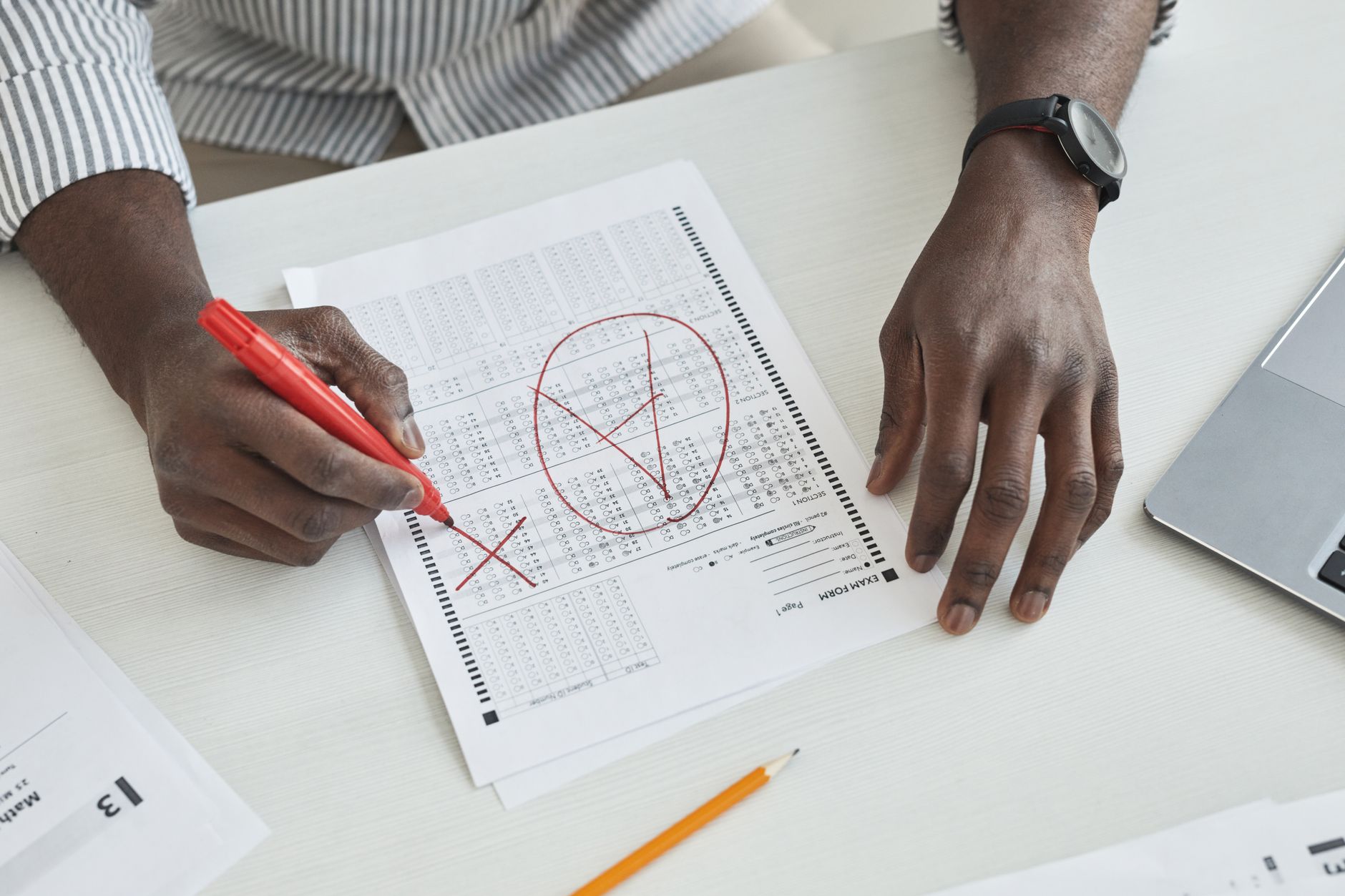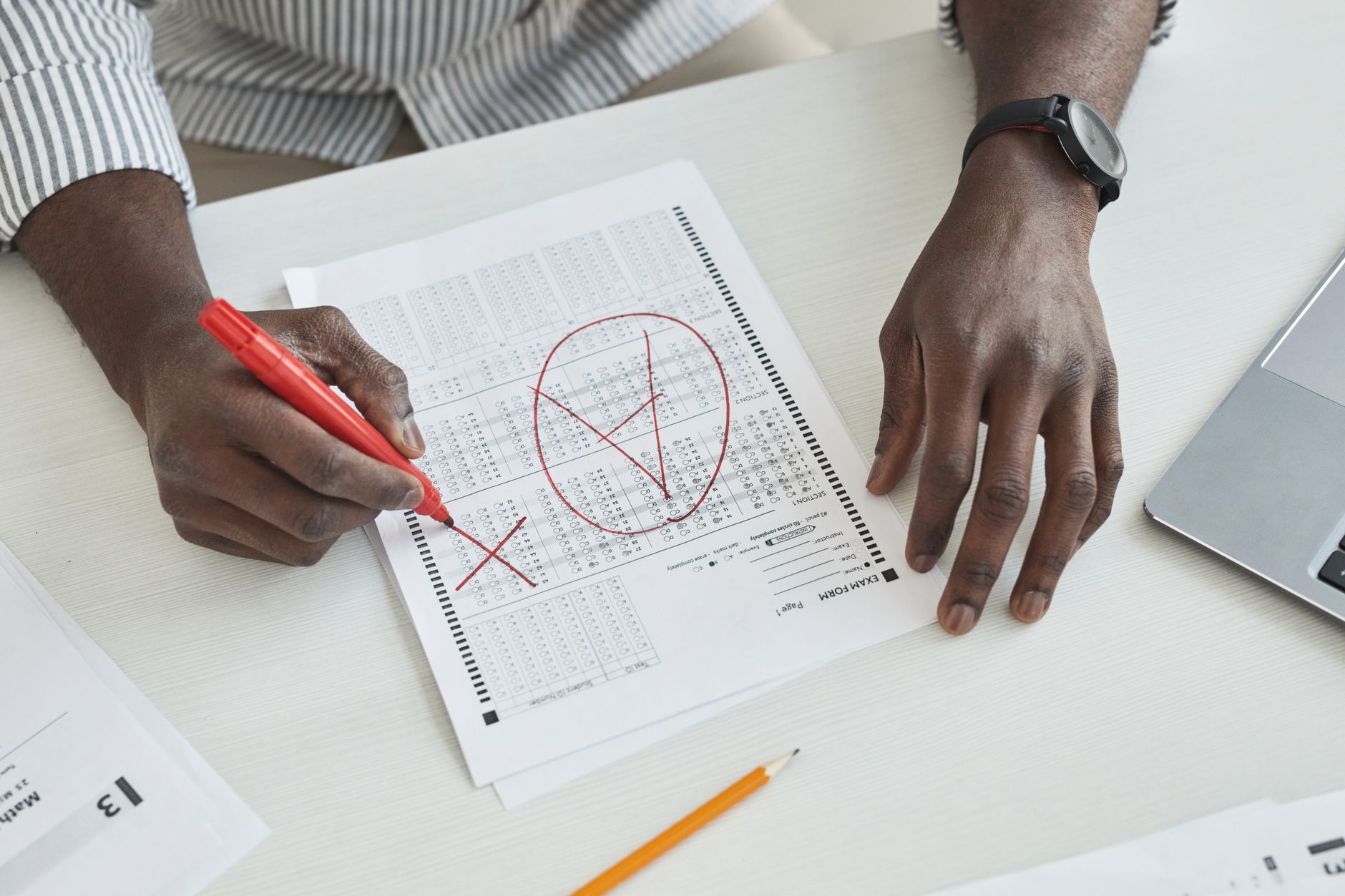
The Madhya Pradesh High Court has intervened in matters concerning the National Eligibility cum Entrance Test for Undergraduate (NEET-UG) re-examination results, issuing notices to the Central government and seeking clarification on several aspects of the conducted re-tests. This development adds another chapter to the continuing controversies surrounding India's premier medical entrance examination.
Background of NEET-UG Examinations
NEET-UG serves as the gateway for aspiring medical students seeking admission to undergraduate medical and dental courses across India. Conducted by the National Testing Agency (NTA) under the Ministry of Education, the examination is taken by over 20 lakh candidates annually, making it one of the largest entrance tests in the country.
The examination's significance cannot be overstated, as it determines the future of hundreds of thousands of students who dream of pursuing careers in medicine. A single mark can make the difference between securing a seat in a government medical college or missing out entirely.
The Re-examination Controversy
Re-examinations in NEET-UG are typically ordered when irregularities are detected at specific examination centres or when technical glitches affect certain candidates. The re-tests are meant to ensure fairness and provide affected students another opportunity to demonstrate their capabilities under proper conditions.
However, re-examinations often raise questions about:
- Maintaining parity between original test-takers and re-test candidates
- Differences in question paper difficulty levels
- Time gaps between original and re-examination dates
- Psychological pressure on students appearing for re-tests
- Delayed counselling and admission processes
Court Intervention and Its Implications
The Madhya Pradesh High Court's decision to seek the Centre's reply indicates judicial concern about the transparency and fairness of the re-examination process. Courts have historically played a crucial role in ensuring that competitive examinations maintain integrity and provide equal opportunities to all candidates.
When High Courts intervene in examination matters, they typically examine whether:
- Due process was followed in conducting re-examinations
- Adequate notice was provided to affected candidates
- The re-examination was conducted under proper supervision
- Results were evaluated using consistent parameters
- Any candidates were unfairly advantaged or disadvantaged
Impact on Medical Aspirants
For students, such legal proceedings create additional uncertainty during an already stressful period. Medical aspirants invest years of preparation, significant financial resources, and immense emotional energy into clearing NEET-UG. Any delay or ambiguity in results can have cascading effects on their admission timelines and future planning.
The counselling process for medical admissions follows a strict schedule, and any disruption in result declaration can push back the entire academic calendar. This affects not just the students involved in litigation but potentially lakhs of candidates awaiting their counselling rounds.
Previous NEET Controversies
NEET examinations have faced various controversies over the years, including allegations of paper leaks, discrepancies in answer keys, questions about grace marks, and concerns about examination centre facilities. Each controversy has led to reforms and increased scrutiny of the examination process.
The National Testing Agency has implemented several measures to enhance examination security, including biometric verification, CCTV surveillance at centres, and stricter protocols for question paper handling. Despite these efforts, concerns continue to emerge periodically.
The Way Forward
The High Court's intervention highlights the need for robust examination systems that can withstand scrutiny and maintain public confidence. For NEET-UG to fulfil its role as a fair and transparent selection mechanism, continuous improvements in examination conduct, result processing, and grievance redressal are essential.
The Centre's reply to the High Court will likely address the specific concerns raised regarding the re-examination process and provide clarity on the measures taken to ensure fairness. This response will be closely watched by educators, students, and legal experts alike.
As the matter progresses through the judicial system, it serves as a reminder of the critical importance of transparency and accountability in competitive examinations that shape the careers of young Indians. The outcome may also set precedents for how similar situations are handled in future examination cycles.
This article is for general informational purposes only and does not constitute legal advice. Candidates affected by examination-related legal proceedings should consult with appropriate legal counsel for guidance specific to their situations.