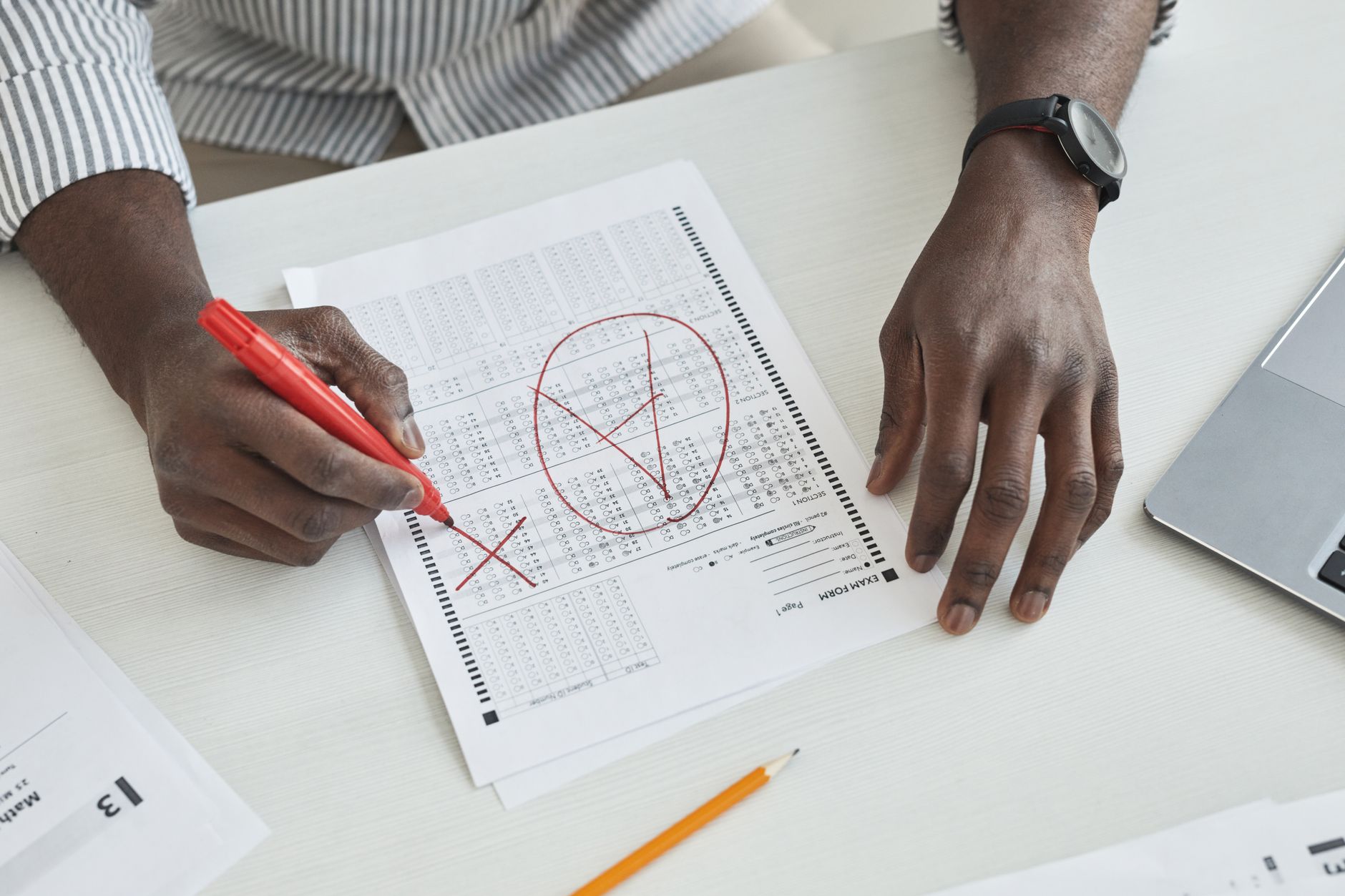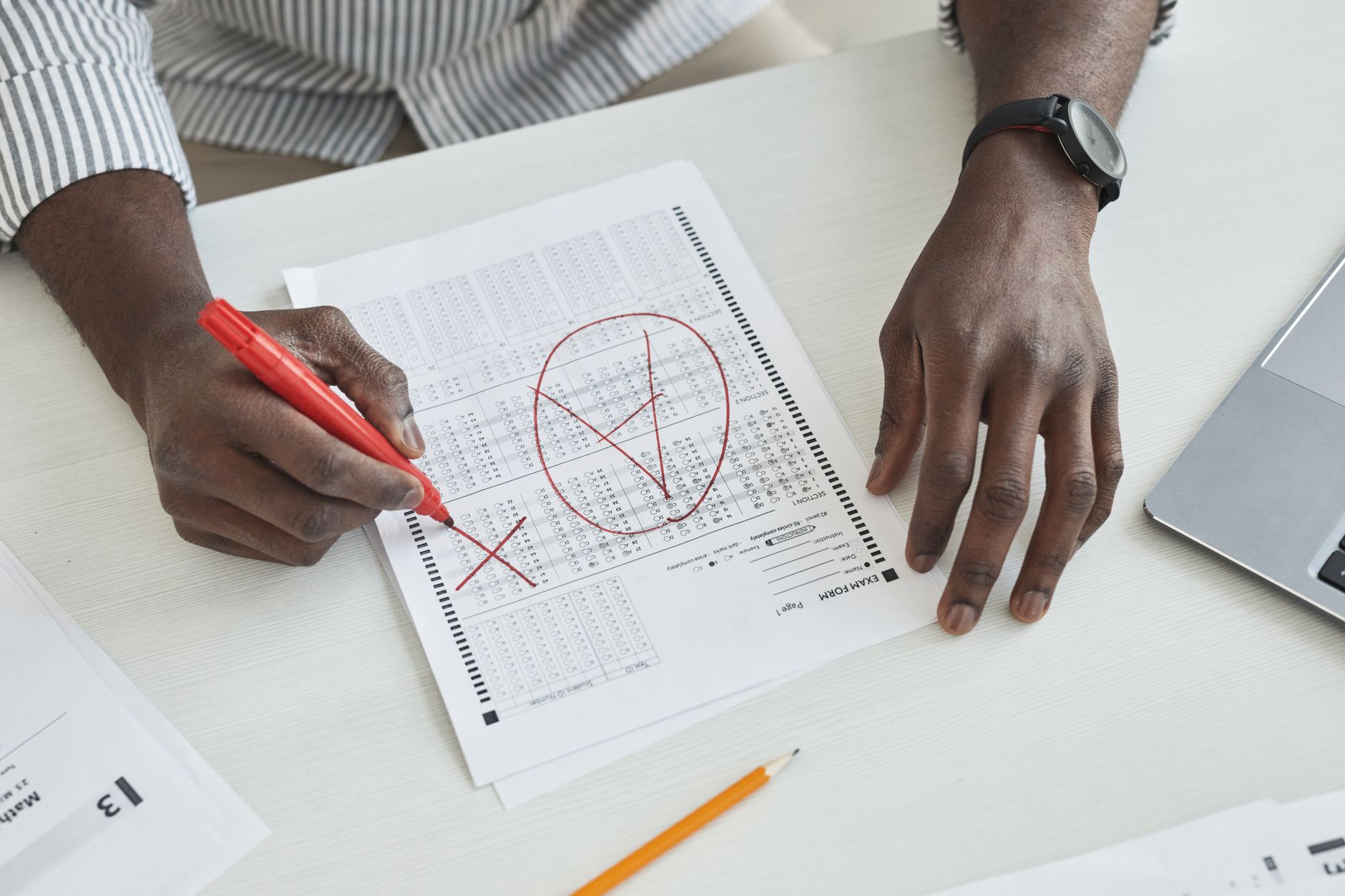
The Kerala Plus-I examination results have brought positive news for students, parents, and educators across the state, with data indicating an upward trend in pass percentages and overall performance. This improvement in Class 11 results is significant as it represents a crucial transitional year in students' academic journeys, bridging the gap between secondary education and the board examination year.
Understanding the Plus-I Examination System
The Plus-I examination in Kerala corresponds to Class 11, the first year of higher secondary education. Unlike the Plus-II (Class 12) board examinations, these assessments are typically conducted internally by schools or at the district level, though they follow the state curriculum prescribed by the Kerala Higher Secondary Education Department. The results serve as an important indicator of students' readiness for the crucial board examinations that follow in Plus-II.
Students who have completed their Class 10 board examinations progress to Plus-I, where they choose between various streams including Science, Commerce, Humanities, and Vocational courses. The performance in Plus-I examinations often sets the foundation for their final year and influences their confidence levels as they approach board examinations.
Factors Contributing to Improved Results
Several factors may have contributed to the improved performance in this year's Plus-I examinations. The education system in Kerala has been consistently focusing on student-centric learning approaches and teacher training programs. Schools have been implementing remedial classes and additional support systems for students who struggle with particular subjects.
The role of technology in education has expanded significantly, with digital learning resources becoming more accessible to students across urban and rural areas. Online study materials, educational videos, and interactive learning platforms have supplemented traditional classroom teaching, allowing students to learn at their own pace and revisit difficult concepts.
Additionally, the continuous evaluation system in Kerala's education framework helps identify struggling students early in the academic year, enabling timely intervention. Regular assessments throughout the year, rather than relying solely on final examinations, have helped reduce exam pressure and provide multiple opportunities for students to demonstrate their understanding.
Subject-Wise Performance Trends
While comprehensive subject-wise data varies, improvement in Plus-I results typically reflects better performance across core subjects. Science stream students often show enhanced results in Physics, Chemistry, and Mathematics when teaching methodologies focus on conceptual clarity rather than rote learning. Similarly, Commerce and Humanities students benefit from practical applications of theoretical concepts.
The state's focus on strengthening language education, both in Malayalam and English, has also contributed to overall performance improvement. Strong language skills enable students to better understand questions and articulate answers across all subjects.
Implications for Students and Educational Planning
The improvement in Plus-I results carries positive implications for the upcoming Plus-II board examinations. Students who perform well in Class 11 typically carry that momentum into their final year, approaching board examinations with greater confidence and a solid knowledge foundation.
For educators and policymakers, these improved results validate recent pedagogical approaches and curriculum reforms. They also highlight areas where continued investment in infrastructure, teacher training, and student support systems yields measurable outcomes.
Looking Ahead
While improved results are encouraging, educational authorities in Kerala continue to emphasize holistic development rather than focusing solely on pass percentages. The state has been working to reduce academic pressure on students while maintaining educational standards, promoting critical thinking, creativity, and practical skills alongside theoretical knowledge.
For students who may not have performed as expected, Kerala's education system provides opportunities for improvement through supplementary examinations and additional support mechanisms. The focus remains on ensuring that every student progresses with adequate preparation for their board examinations.
The Broader Educational Context
Kerala has long maintained a strong reputation in education, with high literacy rates and a robust public education system. The improvement in Plus-I results aligns with the state's commitment to quality education and continuous improvement in learning outcomes. These results reflect not just academic performance but also the collaborative efforts of students, teachers, parents, and educational administrators.
As students progress to Plus-II, the foundation built during Plus-I becomes crucial. The improved results suggest that more students are entering their final year of higher secondary education with better preparation, positioning them for success in board examinations and beyond.
The positive trend in Kerala's Plus-I examination results represents an encouraging development in the state's educational landscape, reflecting the effectiveness of sustained efforts to enhance teaching quality, learning environments, and student support systems across Kerala's higher secondary institutions.