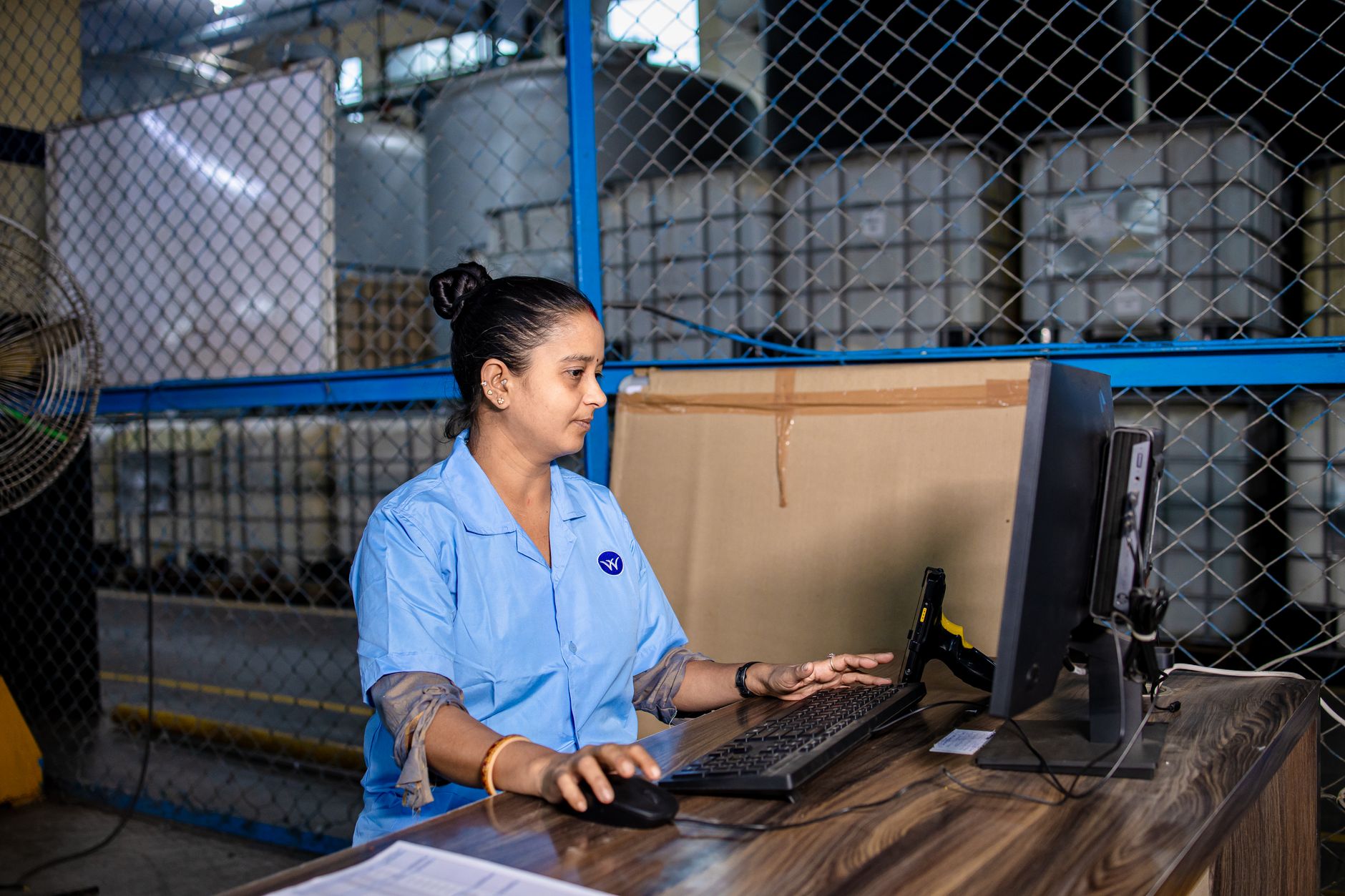
India's informal sector employs approximately 90% of the country's workforce, representing hundreds of millions of workers who traditionally lacked access to formal employment benefits, skills training, and job security. A revolutionary digital initiative is now changing this landscape, using artificial intelligence and comprehensive databases to bridge the gap between informal workers and opportunities that were previously out of reach.
Understanding India's Informal Workforce Challenge
The informal sector includes construction workers, domestic helpers, gig economy participants, street vendors, agricultural laborers, and countless other occupations that operate outside traditional employment structures. These workers have historically faced numerous challenges including irregular income, absence of social security benefits, limited access to credit, and few opportunities for skills development.
The lack of formal documentation and verifiable work histories has made it nearly impossible for these workers to access government schemes, apply for formal sector jobs, or demonstrate their experience and capabilities to potential employers. This documentation gap has kept millions trapped in a cycle of informal employment with little upward mobility.
How the Database System Works
The digital database system functions as a comprehensive repository of worker information, skills, work history, and credentials. Workers can register their details, including their trades, experience levels, and certifications. The system then uses this information to match workers with suitable opportunities and training programs.
AI algorithms analyze worker profiles to identify skills gaps and recommend relevant training courses. The technology can predict which skills are in demand in specific regions and industries, helping workers make informed decisions about their professional development. This data-driven approach ensures that training resources are directed where they will have the most impact.
The platform also serves as a verification mechanism. When workers complete jobs or training programs, their achievements are recorded digitally, creating a verifiable work history that can be accessed by future employers or financial institutions.
Key Benefits for Workers
- Access to formal job opportunities that require documented experience
- Eligibility for government welfare schemes and social security programs
- Ability to showcase verified skills and work history to potential employers
- Recommendations for relevant upskilling and training programs
- Improved access to credit and financial services
- Portable benefits that move with workers across jobs and locations
- Enhanced bargaining power due to documented expertise
The Role of Artificial Intelligence
AI technology analyzes vast amounts of labor market data to identify trends and opportunities. Machine learning algorithms can predict which sectors are likely to grow, helping workers prepare for future demand. Natural language processing enables the system to work in multiple Indian languages, ensuring accessibility for workers across different regions and education levels.
The AI also helps match workers with jobs more efficiently than traditional methods. By considering factors like location, skills, experience, availability, and even transportation access, the system can suggest opportunities that are genuinely suitable and achievable for each individual worker.
Impact on Skills Development
One of the most significant aspects of this initiative is its focus on continuous learning. The platform identifies skills gaps and connects workers with training providers offering relevant courses. Many of these programs are subsidized or free, removing financial barriers to education.
Workers can learn both technical skills specific to their trades and soft skills like communication and digital literacy. Upon completion, their new qualifications are added to their digital profiles, making them more competitive in the job market.
Broader Economic Implications
This digital transformation has ripple effects throughout the economy. Employers gain access to a larger, more skilled labor pool with verifiable credentials. Government agencies can more effectively deliver social welfare programs when they have accurate data about beneficiaries. Financial institutions can extend credit to workers who can now demonstrate steady employment and skills.
The formalization of informal work also brings workers into the tax system gradually, potentially increasing government revenue while extending protections and benefits to previously excluded populations.
Challenges and Considerations
Despite its promise, the initiative faces challenges including digital literacy among older workers, smartphone and internet access in rural areas, and privacy concerns regarding extensive data collection. Ensuring data security and preventing misuse of worker information remains critical.
There is also the question of whether digital registration might lead to increased regulation or taxation that could disadvantage some workers who benefit from the flexibility of informal arrangements.
The Path Forward
As more workers register and the database grows, its utility increases for everyone involved. The network effects mean that each additional participant makes the platform more valuable for existing users. Success will depend on continued investment in digital infrastructure, training, and privacy protections.
This initiative represents a significant step toward recognizing and supporting the millions of Indians whose work forms the backbone of the economy but who have long remained invisible in official systems.