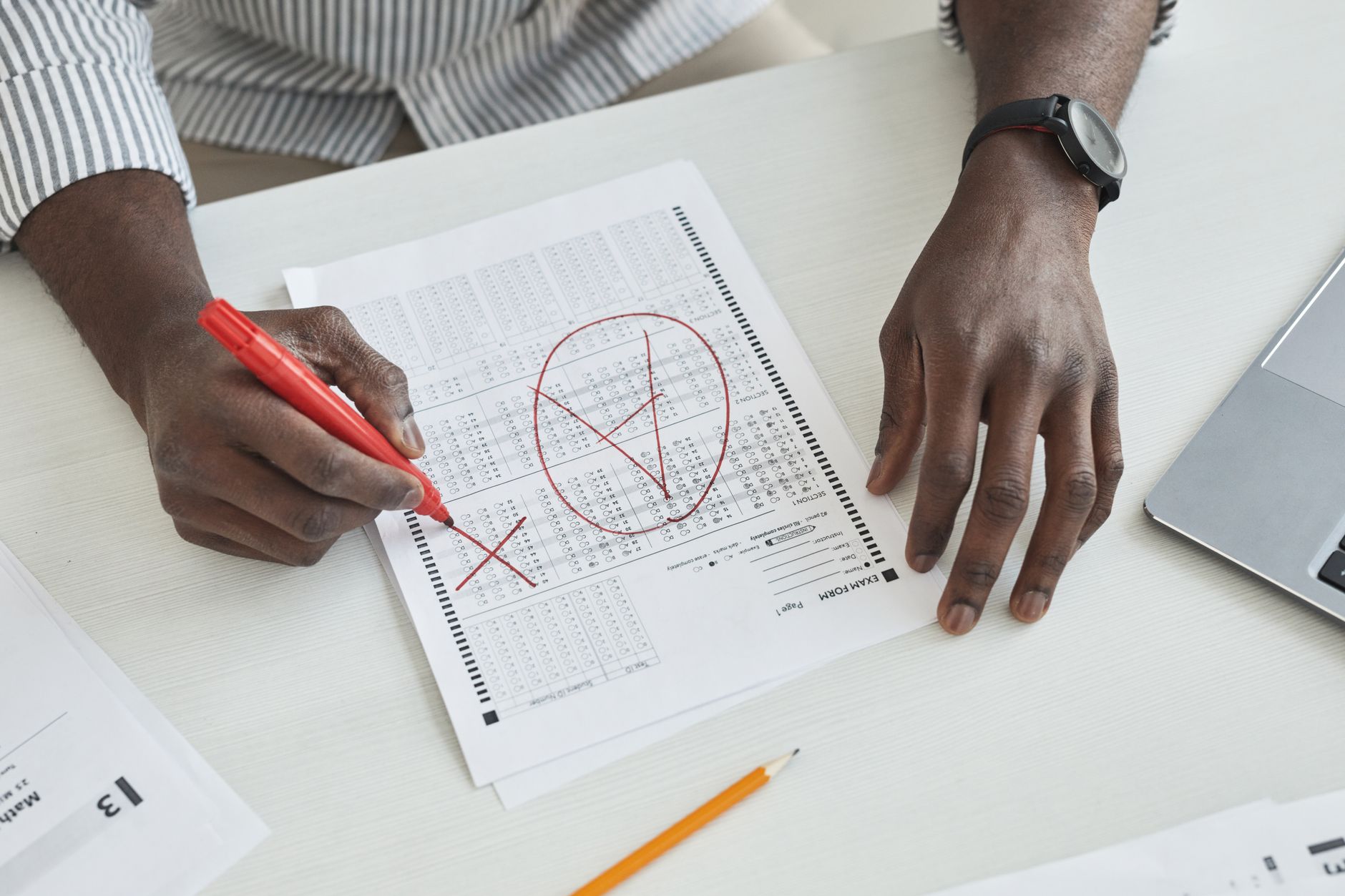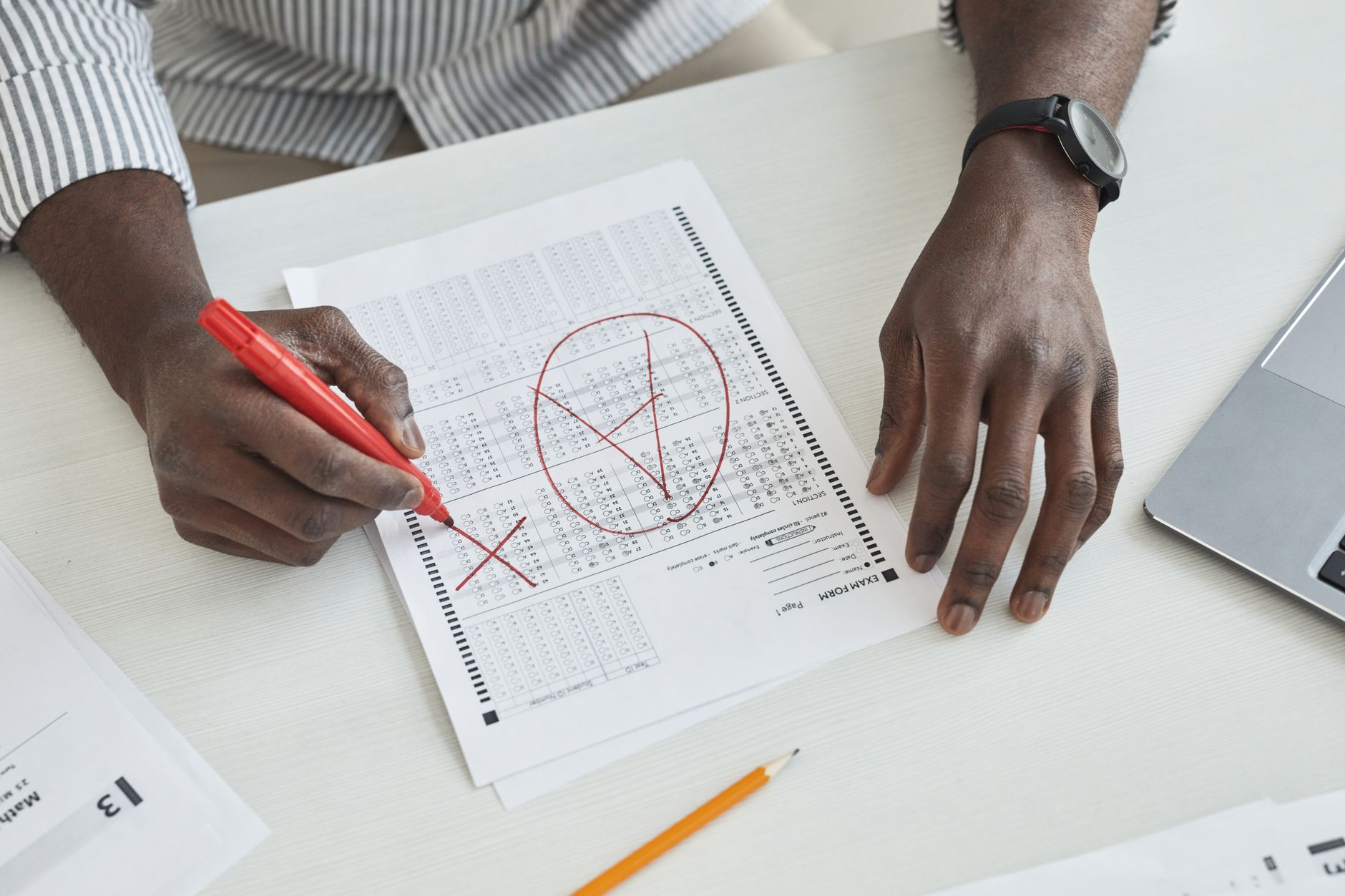
Indian students appearing for final board examinations have taken to social media and official channels to lodge mass complaints about what they describe as significant marking errors and discrepancies in their results. The controversy has highlighted long-standing concerns about the examination evaluation process in India's education system, affecting students whose futures depend heavily on these crucial scores.
The Scale of the Problem
Board examinations in India are high-stakes assessments that determine college admissions and career trajectories for millions of students annually. When results were announced recently, students across various state and central boards reported anomalies including unexpectedly low marks in subjects where they had performed well throughout the year, significant score variations between similar subjects, and marks that seemed inconsistent with their answer key analysis.
The complaints have come from students across different boards, though the exact numbers vary by region. Social media platforms, particularly Twitter and Instagram, have become rallying points for affected students using hashtags to share their experiences and demand transparency in the evaluation process.
Common Complaints Raised
Students have identified several recurring issues in their results. Many report receiving zero or very low marks in sections where they claim to have attempted all questions correctly. Others have pointed out mathematical impossibilities in their mark distributions, such as total scores that don't align with section-wise breakdowns provided in detailed mark sheets.
Some students have also highlighted cases where their marks in practical examinations or internal assessments appear to have been incorrectly transcribed or calculated. In certain instances, students who applied for re-evaluation or photocopy services of their answer sheets discovered significant differences between what they wrote and what was apparently evaluated.
Impact on Students' Lives
The implications of these alleged errors extend far beyond numbers on a mark sheet. In India's highly competitive education landscape, even a few marks can determine whether a student gains admission to their desired college or course. Medical and engineering entrances, in particular, have cutoffs so narrow that a single mark can mean the difference between acceptance and rejection.
For students from economically disadvantaged backgrounds, the cost of applying for re-evaluation or obtaining answer sheet photocopies can be prohibitive. The standard re-evaluation fees, while seemingly modest, multiply significantly when applied to multiple subjects, creating a financial barrier to justice for those who can least afford marking errors.
The mental health impact has also been considerable. Students who prepared rigorously for months report feelings of betrayal and helplessness when faced with inexplicable results. Parents and educators have expressed concern about the psychological toll on young learners during an already stressful period.
The Evaluation System Under Scrutiny
India's examination boards evaluate millions of answer sheets within tight timelines, relying on thousands of temporary evaluators recruited for the purpose. Critics argue that this system, while necessary given the scale, creates conditions conducive to errors. Evaluators often work under time pressure, with targets for daily evaluation that some education experts consider unrealistic for thorough assessment.
The lack of transparency in the evaluation process has also come under fire. Unlike some international systems where students can more easily access their evaluated answer sheets and understand how marks were allocated, Indian boards have traditionally maintained more opacity, though this has been gradually changing with digitization efforts.
Demands and Potential Solutions
Student groups are demanding free re-evaluation for all students who report anomalies, rather than the current system where students must pay for the service. They are also calling for greater transparency, including automatic provision of evaluated answer sheet copies and detailed marking schemes.
Education reform advocates suggest implementing double-blind evaluation systems where multiple evaluators independently assess the same paper, with discrepancies triggering automatic review. Others recommend better training and compensation for evaluators to reduce rushed or careless marking.
Several boards have announced they will investigate complaints and promised action where errors are confirmed. However, students and parents remain concerned about the timeline for resolution, given that college admission deadlines continue to approach regardless of evaluation disputes.
The current controversy underscores the urgent need for examination reform in India's education system, balancing the challenge of evaluating millions of students with the fundamental requirement of accuracy and fairness that every student deserves.